
Bimal Deo Gupta
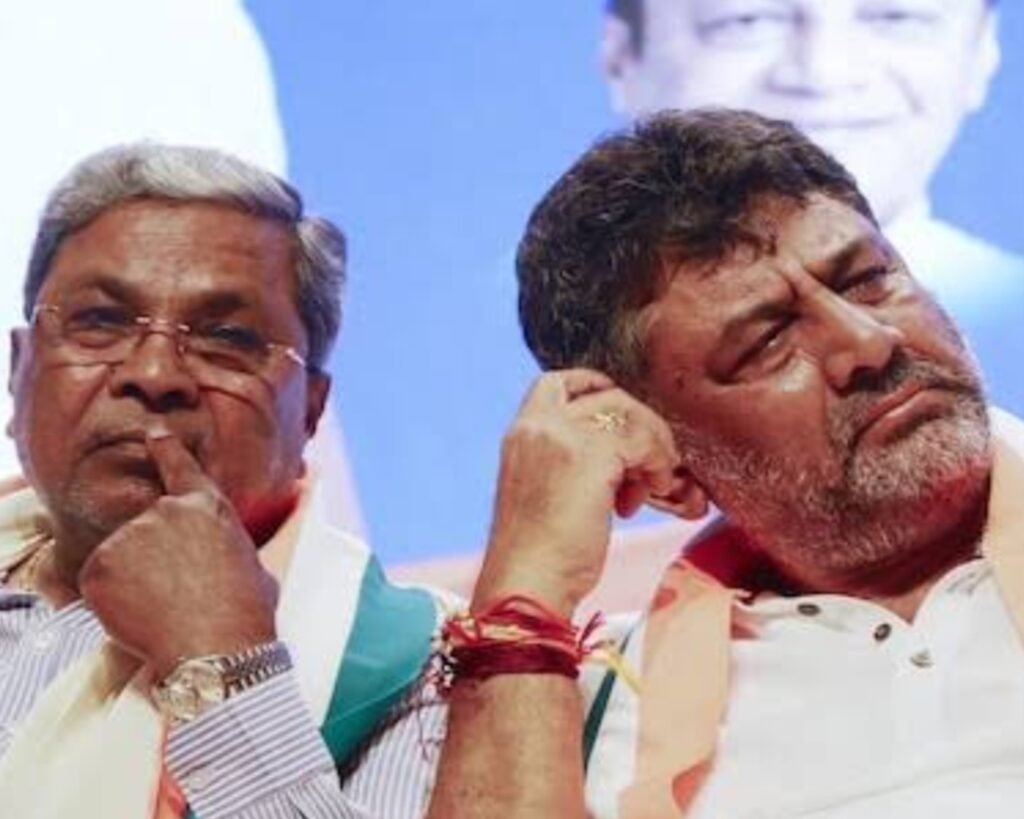
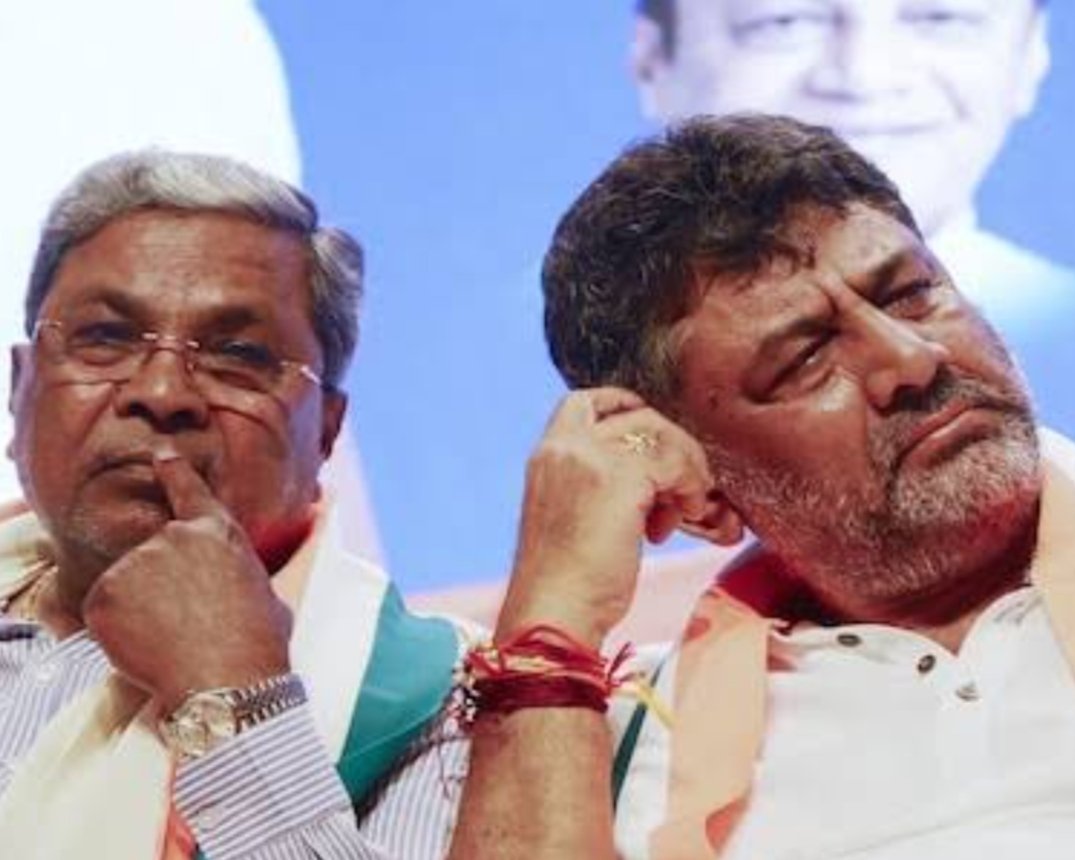
Bengaluru: Tensions between Karnataka Chief Minister Siddaramaiah and Deputy Chief Minister D.K. Shivakumar are becoming increasingly visible, with political and administrative disagreements surfacing within the ruling Congress government.
After the assembly elections, there was speculation about a “rotational Chief Minister” formula under which Shivakumar could take over the top post midway through the term. Siddaramaiah has denied any such agreement, while Shivakumar continues to refer to the Congress high command’s authority—indicating unease within the leadership.
Differences have also emerged within the party organisation. Shivakumar remains the Karnataka Pradesh Congress Committee (KPCC) president and is reluctant to relinquish the post. His recent warning that non-performing leaders may not find a place in future cabinet expansions or organisational roles has intensified factionalism in the party.
Administrative intervention has become another flashpoint. A recent transfer of senior engineers ordered by a department under the CM drew strong objections from Shivakumar, who termed it a violation of an internal understanding. This highlights not just political rivalry but also a tussle over administrative control.
Speculation about an impending cabinet reshuffle has further fuelled the rift. While Siddaramaiah insists that his government is stable and will run its full five-year term, Shivakumar’s supporters view such moves as attempts to limit his political prospects. Shivakumar, however, has dismissed rumours about any reshuffle.
Overall, the Congress government in Karnataka appears to be dealing with an internal power struggle. Though the leadership is attempting to prevent the discord from spilling out publicly, rising factionalism and administrative disputes suggest that maintaining a balance of power may pose challenges in the days ahead.
